 China Briefing
Should You Register Your Software Copyright in China? A Strategic Overview for Businesses
 Vietnam Briefing
Seven Common Tax and Compliance Mistakes Foreign-Invested Companies Make in Vietnam
 India Briefing
India and MERCOSUR Advance Trade Facilitation and PTA Expansion
 ASEAN Briefing
Legalization and Apostille Requirements for Foreign Documents in Indonesia
 ASEAN Briefing
Malaysia Investor Pass in 2026: Who Can Still Apply?
 China Briefing
Setting Up a Manufacturing WFOE in China: Site Selection, Environmental Approvals, and Licensing
 India Briefing
Rethinking Independent Director Due Diligence: Key Takeaways from the Corporate Laws (Amendment) Bill 2026
 Vietnam Briefing
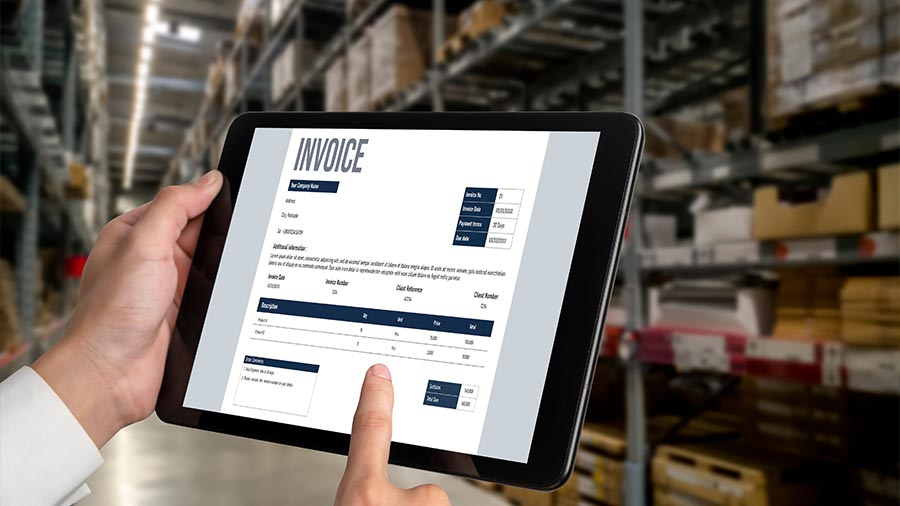
New Electronic Invoicing Rules in Vietnam – What Businesses Need to Know
 China Briefing
Tax Planning for Chinese Companies Going Global (Part 2): Managing Overseas Investment
 Vietnam Briefing
Vietnam Expands VNeID Access for Foreigners Under Decree 320
 India Briefing
BRICS Summit 2026: Key Outcomes and Their Implications for India
 Vietnam Briefing
Vietnam Implements the Apostille Convention: What Businesses Need to Know